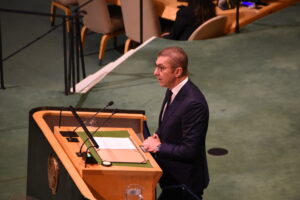
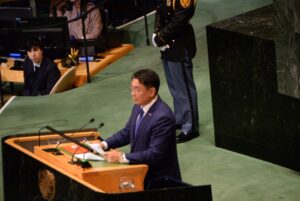
The Security Council met for a debate on the situation in Bosnia and Herzegovina
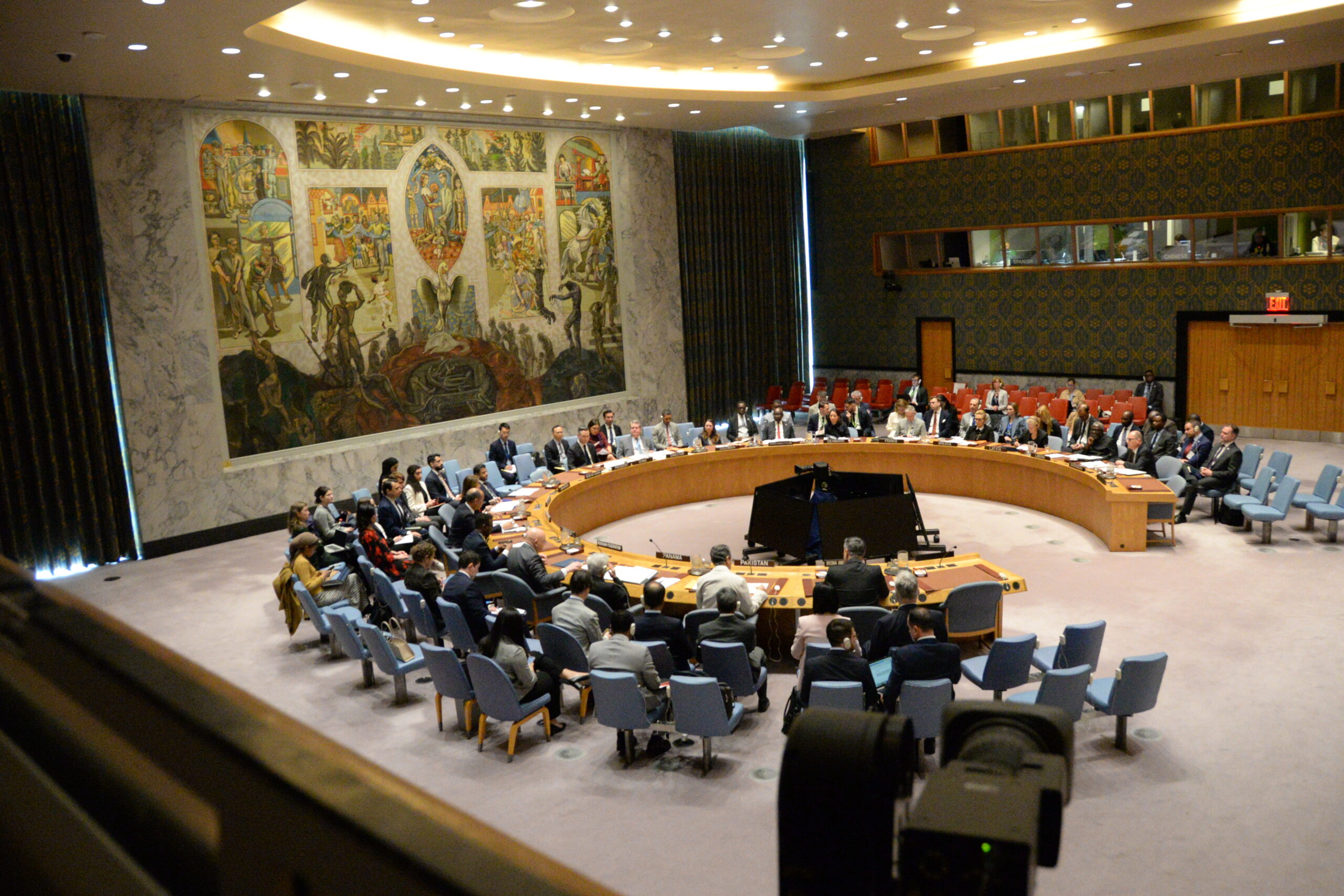
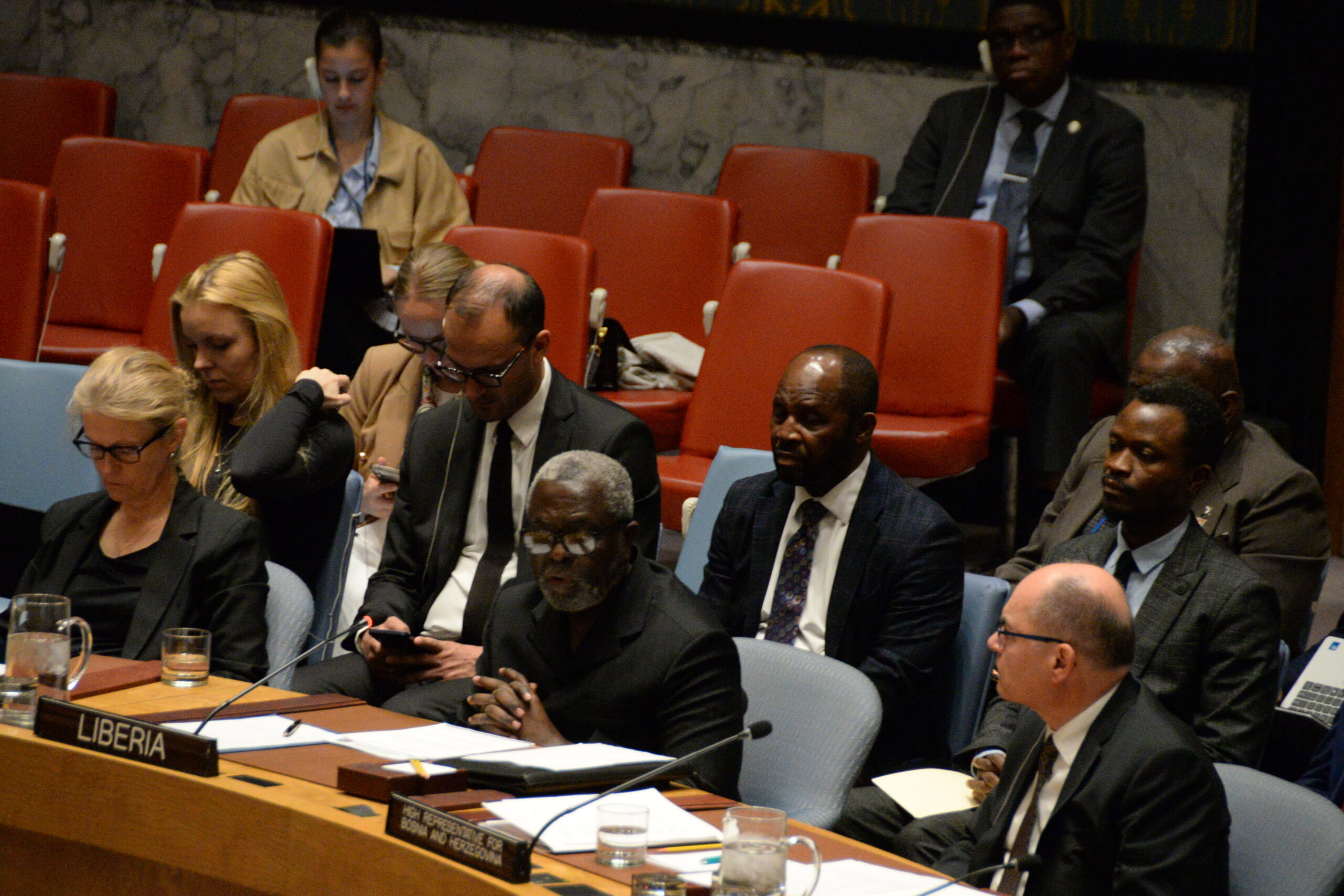
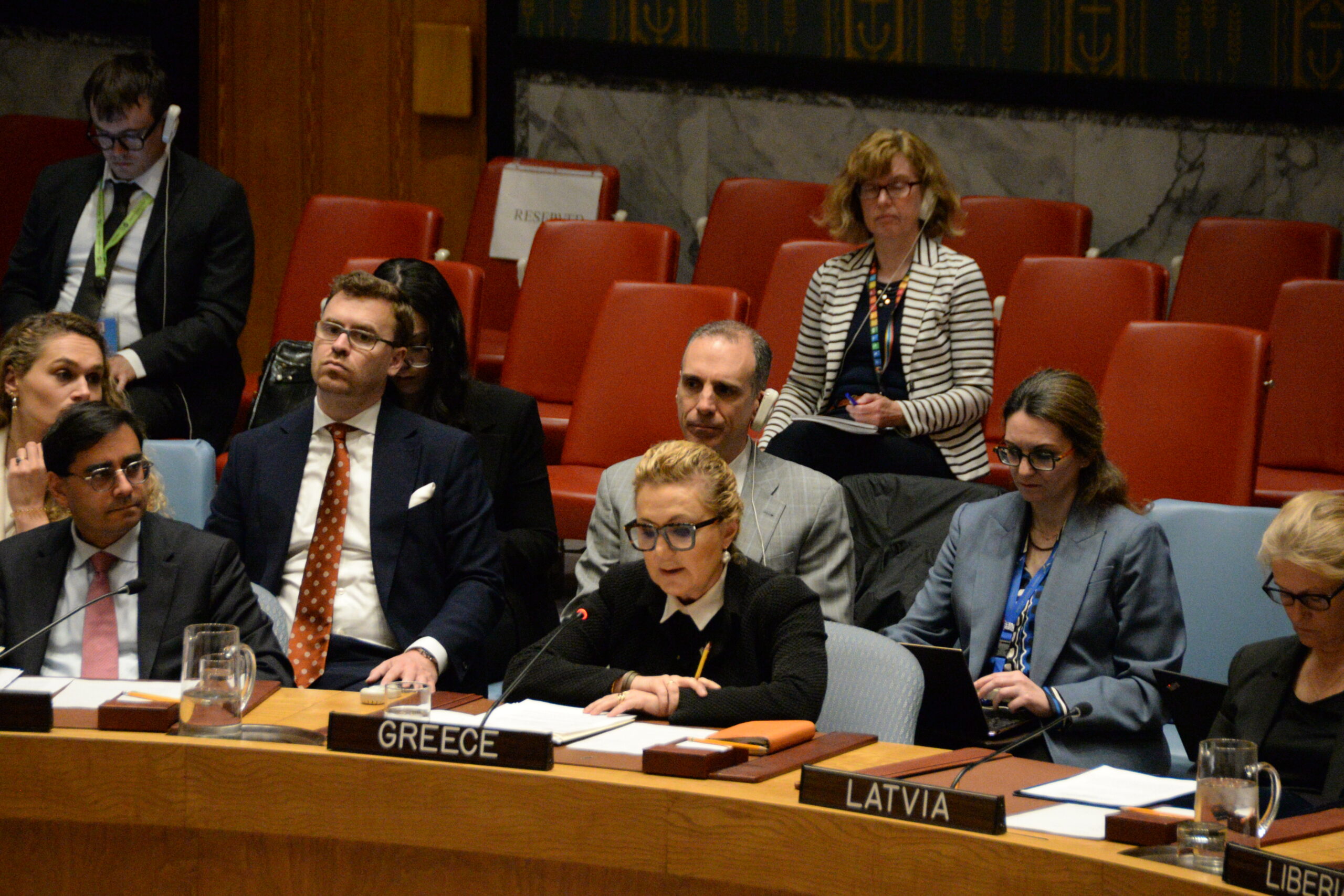
The Security Council met for a debate on the situation in Bosnia and Herzegovina, with a briefing from High Representative Christian Schmidt.Foto credit: Ita/BalkanPress
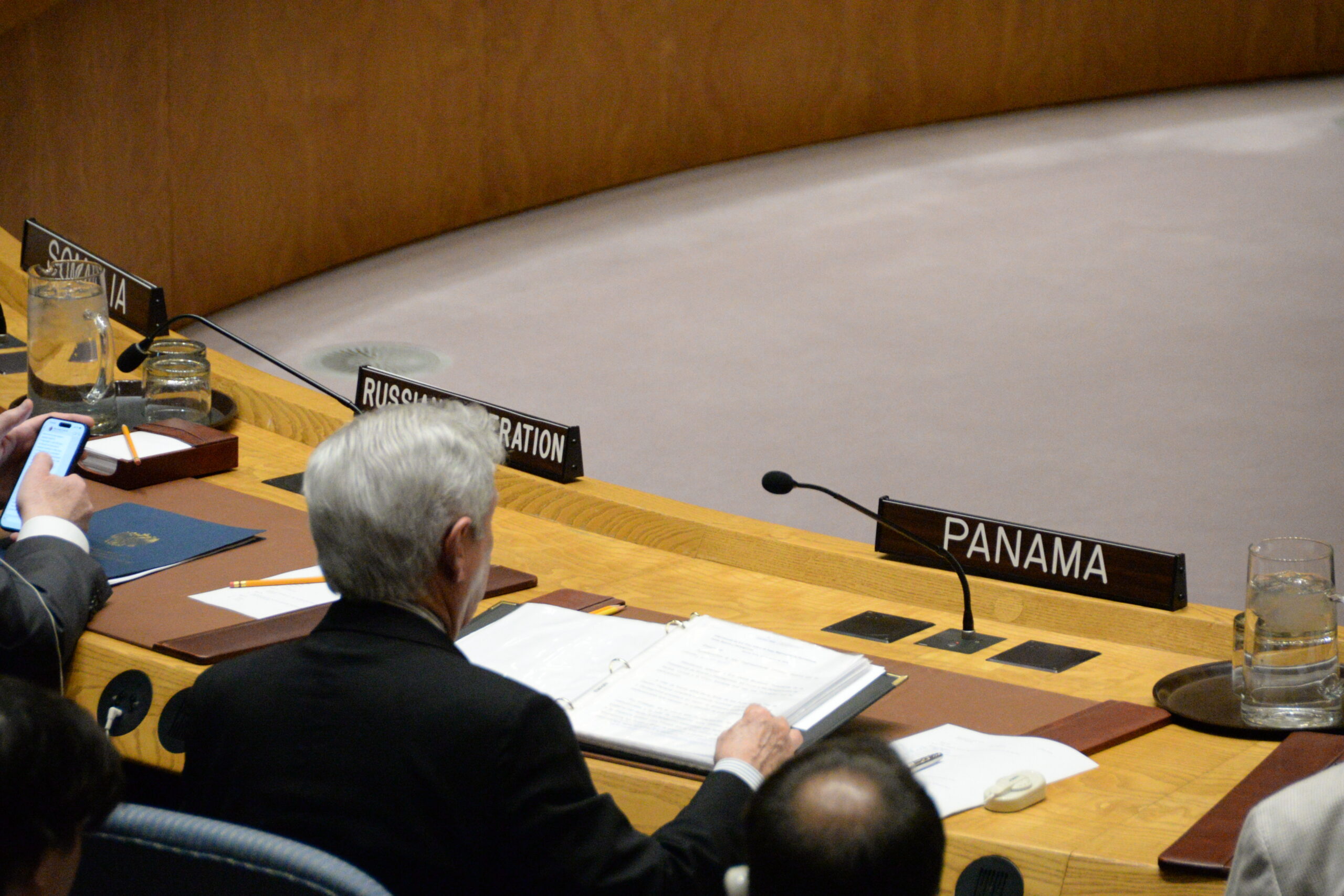
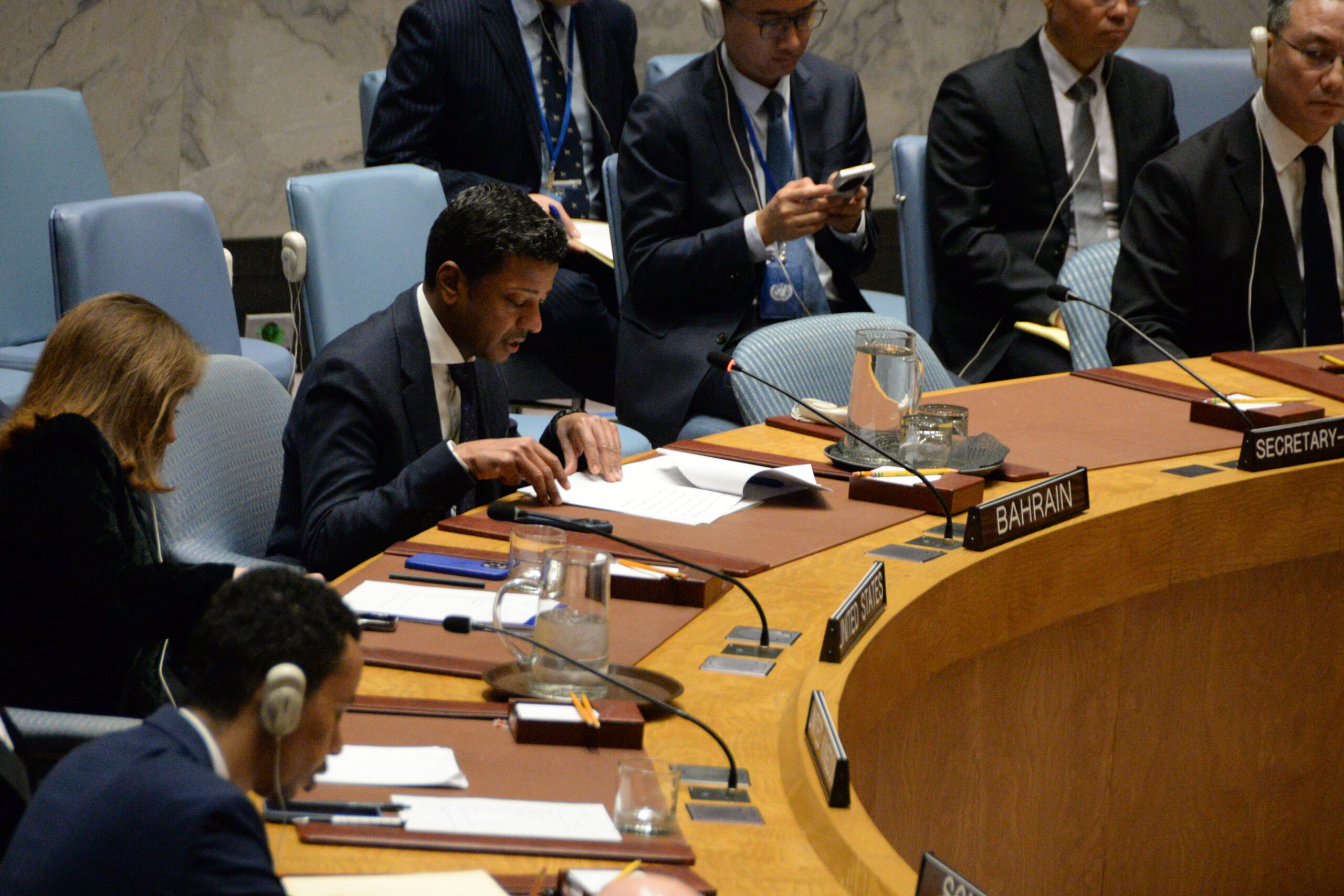
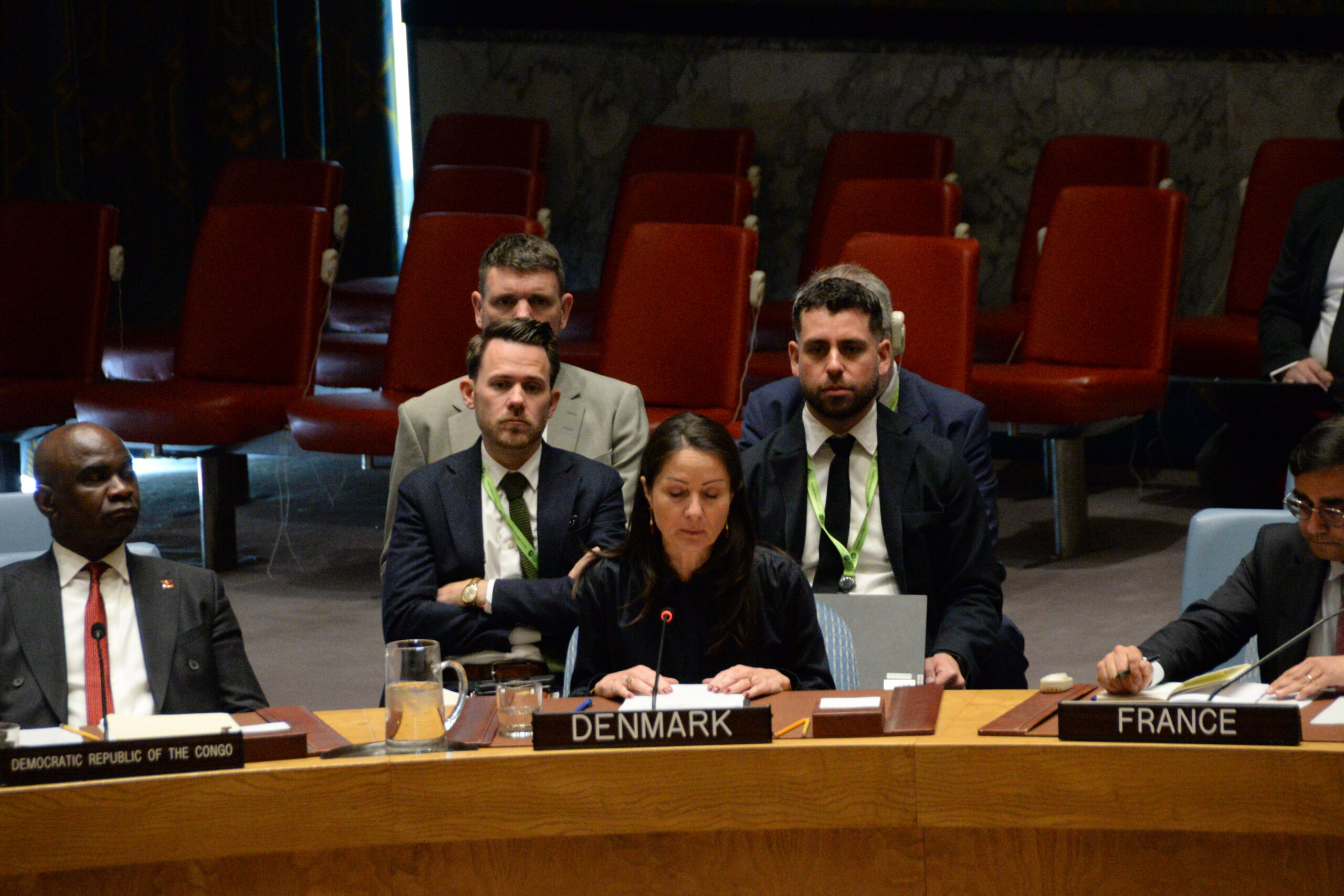
United Nations, NYC (May 12, 2026) –The Security Council held a formal session in New York today focused on the situation in Bosnia and Herzegovina, with member states reviewing ongoing political tensions, governance challenges, and regional stability concerns in the Western Balkans.
The meeting addressed the implementation of the Dayton Peace Agreement framework, which continues to underpin Bosnia and Herzegovina’s post-war political structure. Council members discussed persistent institutional divisions within the country, as well as concerns over political deadlock and its impact on reform processes.
Representatives reiterated the importance of maintaining dialogue among domestic political actors and ensuring that constitutional mechanisms are respected in order to avoid further escalation of internal tensions.
Earlier this year, Donald Trump Jr. visited Banja Luka amid reports of growing interest in regional investment opportunities, particularly in sectors tied to energy and critical mineral resources.
Representatives connected to the project insist the pipeline initiative is focused on strengthening long-term energy stability and encouraging economic growth throughout Bosnia and Herzegovina, despite ongoing criticism from European officials and regional observers.
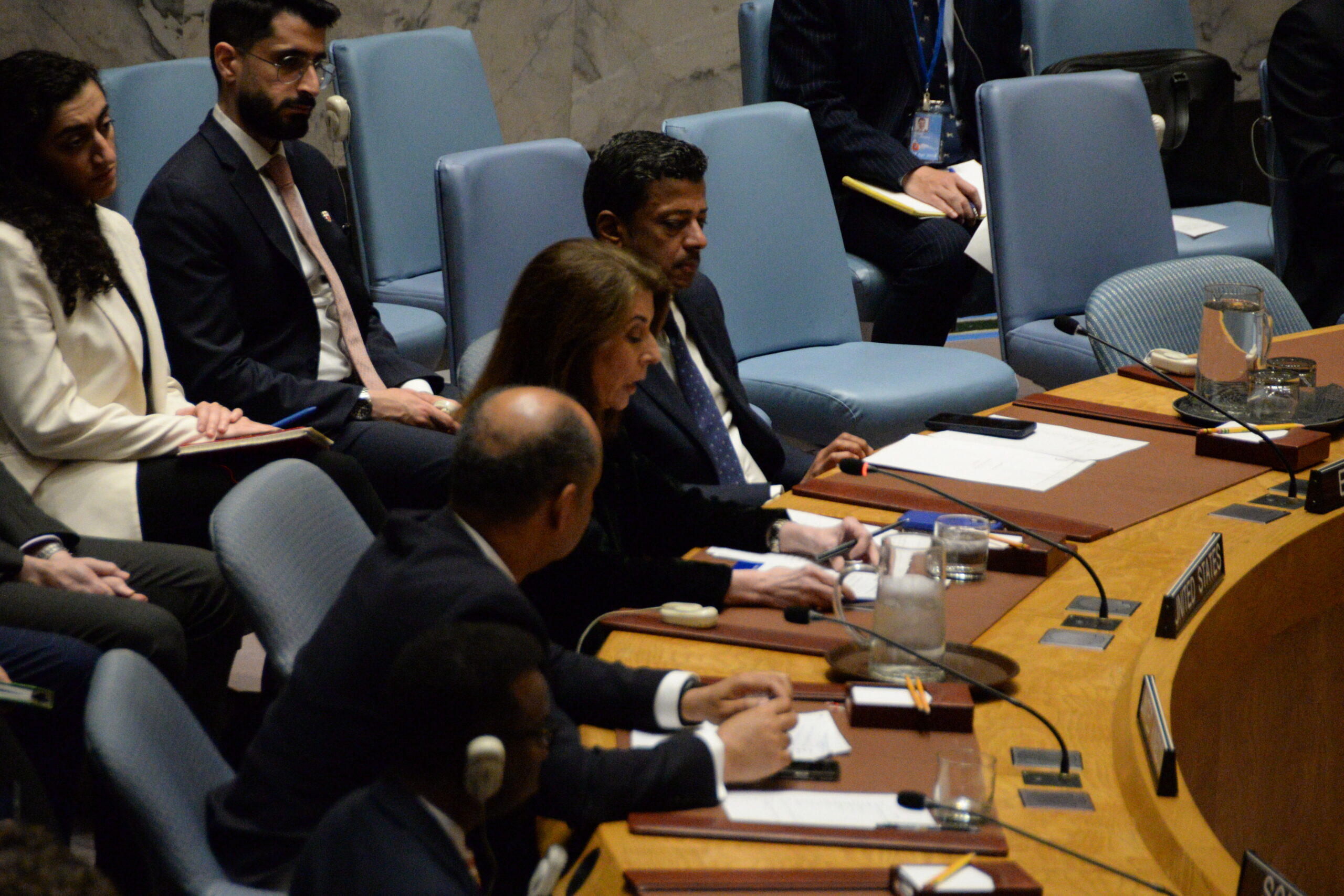
Attention was also given to the broader security implications for the region, particularly in relation to European integration efforts and the need for sustained international engagement to support stability and democratic governance.
The session forms part of the Security Council’s regular oversight of Bosnia and Herzegovina, which remains a key point of focus due to its complex political system and its strategic importance for peace and security in Europe.
About The Author