United Nations General Assembly Convenes 81st Session Under the Presidency of Dr. Khalilur Rahman
UNITED NATIONS, N.Y. (Sept. 8, 2026) — The 81st session of the United Nations General Assembly officially commenced today at UN Headquarters, marking the transition of the body’s leadership to the incoming President, His Excellency Dr. Khalilur Rahman of Bangladesh.
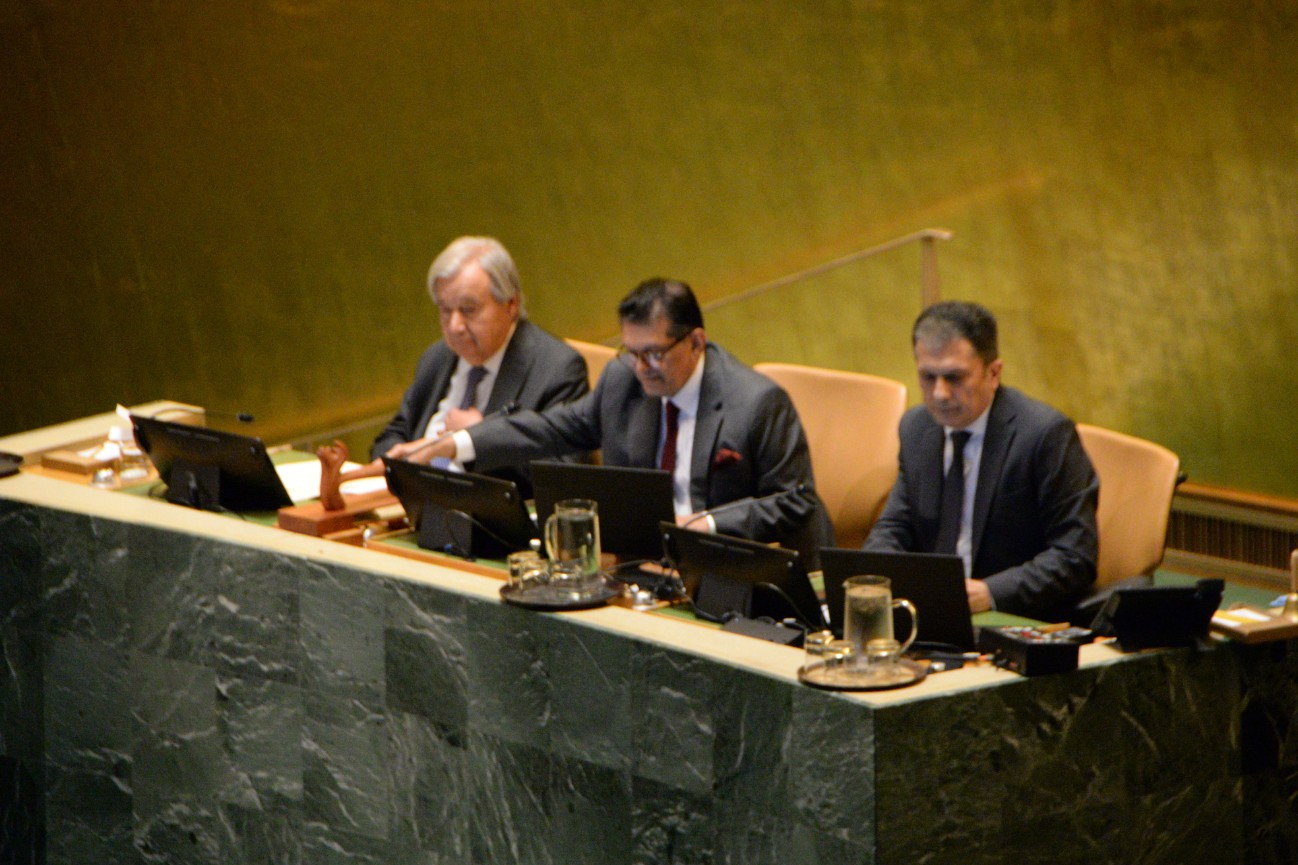
President Rahman formally opened the session at 3:00 p.m. EDT, assuming the presidency following the conclusion of the 80th session. The official transition was marked by the traditional transfer of the historic Icelandic wooden gavel from the outgoing president to signal the commencement of the new term.
In his inaugural address to the assembly, President Rahman articulated the central theme for the 81st session: “Restoring trust, managing transformation: A United Nations that delivers for all.” He underscored an urgent necessity to modernize the organizational infrastructure of the United Nations, noting a pervasive deficit in public confidence during a period characterized by geopolitical conflict, escalating humanitarian crises, and severe environmental degradation. Rather than pursuing superficial adjustments, President Rahman pledged a comprehensive, year-long stewardship dedicated to substantive internal institutional reforms.
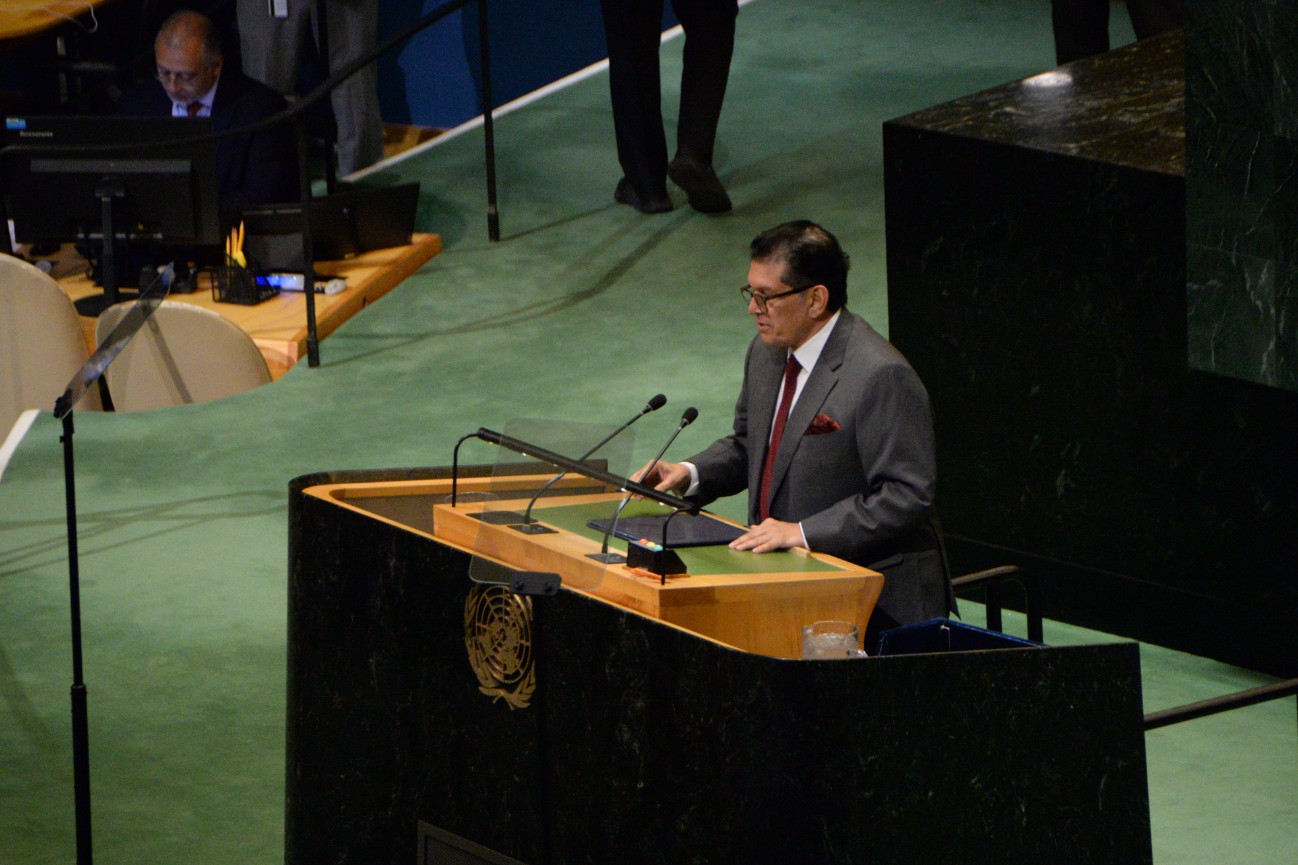
In compliance with established diplomatic protocols, the opening plenary proceeded through its initial administrative agenda. Pursuant to Rule 62 of the General Assembly’s rules of procedure, President Rahman requested all international delegates and representatives to observe one minute of silent prayer or meditation. Following this observance, the assembly formalized the appointment of the members of the Credentials Committee and initiated the preliminary adoption of the session’s official agenda.
Concluding the initial procedural items, President Rahman formally invited United Nations Secretary-General António Guterres to the podium to deliver his opening address. In his remarks, Secretary-General Guterres validated the strategic priorities outlined by the President and reinforced the collective obligation of member states to preserve multilateral cooperation.
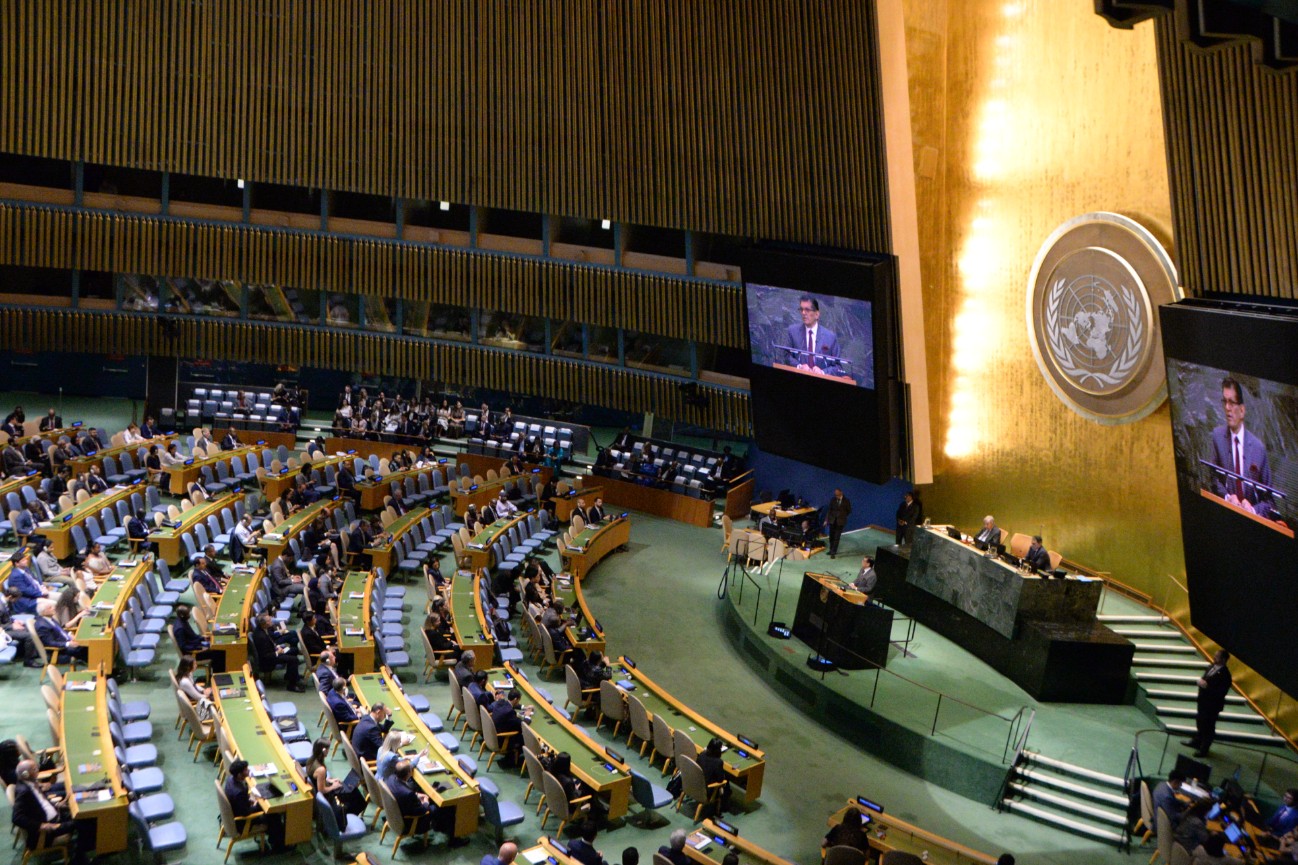
He emphasized that the international rule of law must remain the foundational framework for global governance as the United Nations navigates this period of profound global transformation.
About The Author