Macedonian PM Hristijan Mickoski Defends Identity and Pushes Economic Ties at UN
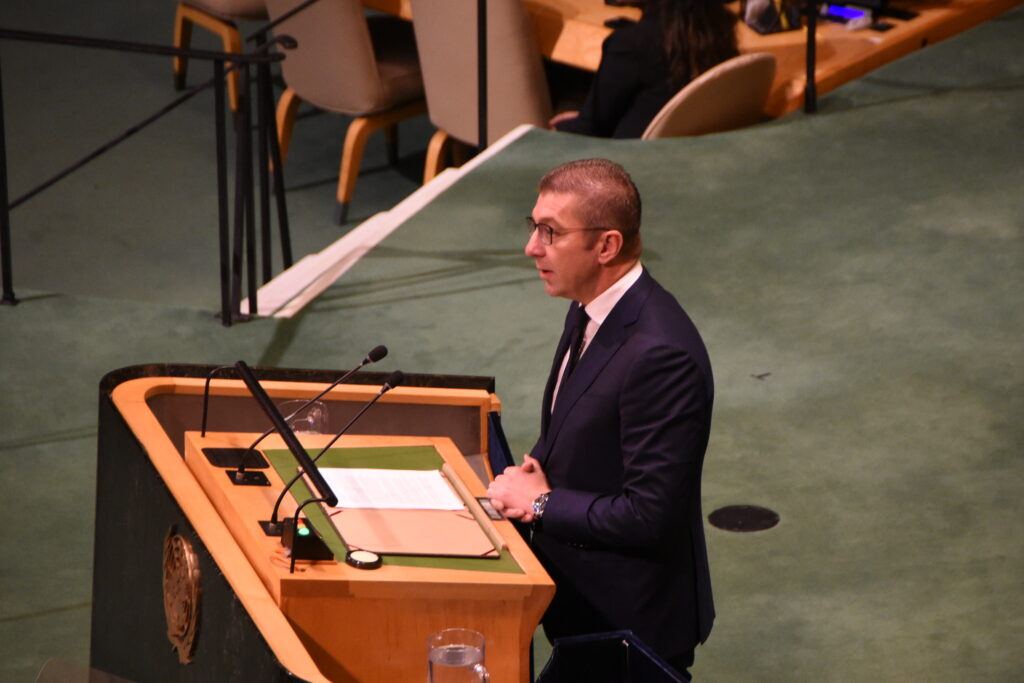
R.Macedonia Prime Minister Hristijan Mickoski's address at the 81st UN General Assembly on EU deadlock, national identity, and global cooperation.Foto credit Ita© BalkanPress
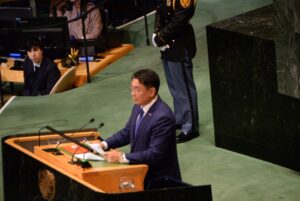
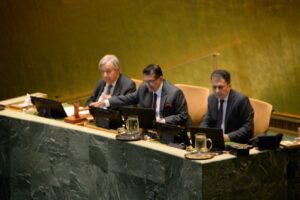
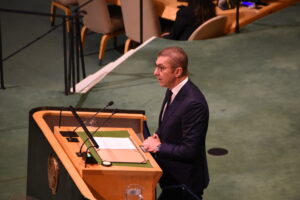
NEW YORK, NY (September 25, 2026) — Prime Minister of R. Macedonia Hristijan Mickoski wrapped up an intensive, multi-city diplomatic tour of the United States with a powerful main-stage address at the 81st Session of the United Nations General Assembly. His speech culminated a high-impact week dedicated to shifting North Macedonia’s global positioning toward strict economic independence, unyielding defense of its cultural identity, and merit-driven international partnerships.
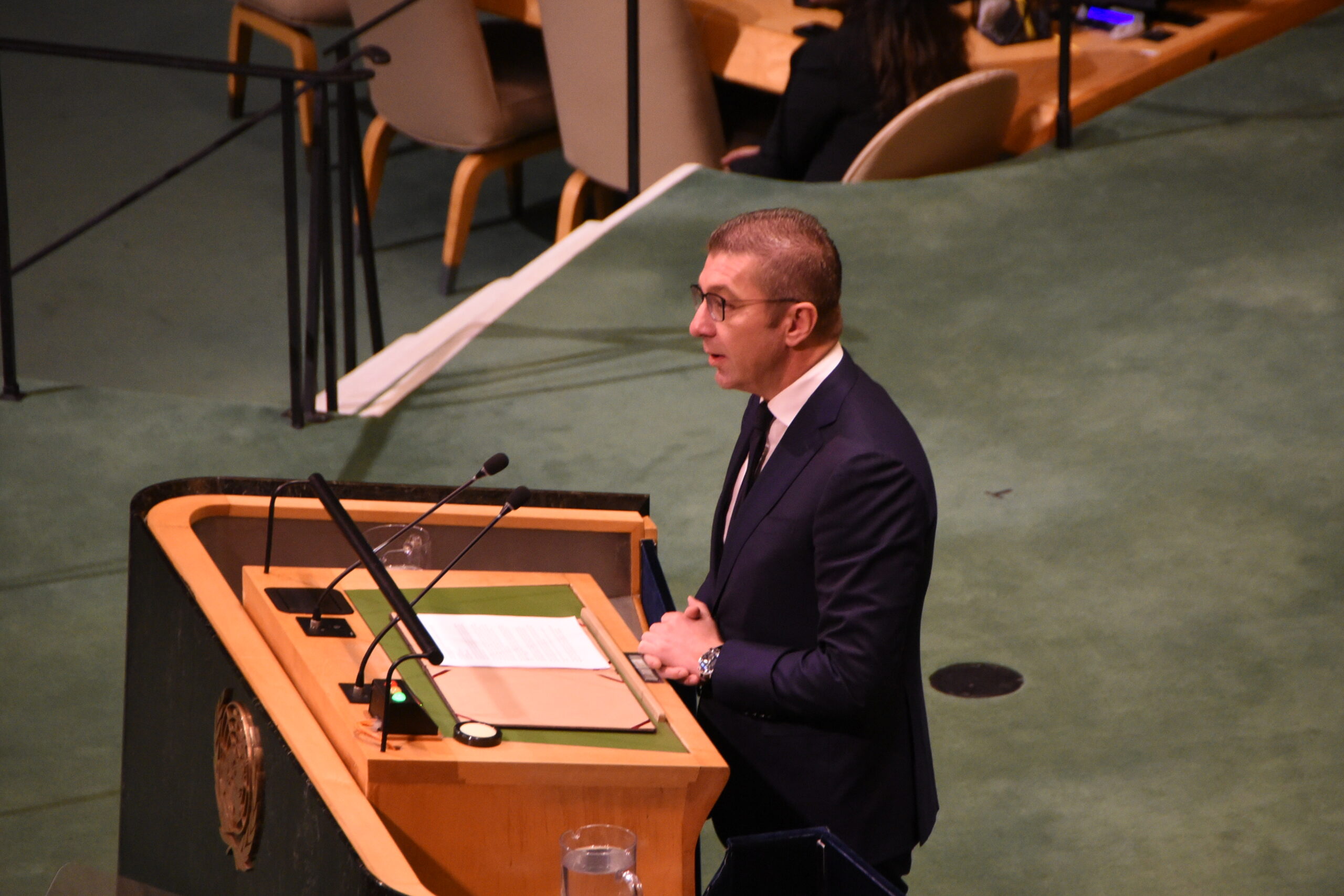
Speaking before the General Assembly, Mickoski firmly rejected regional political pressure and bilateral roadblocks that have continuously stalled North Macedonia’s European Union integration. He framed the ongoing accession delays not as a failure of institutional reform, but as an unjust pattern of diplomatic overreach by neighboring states targeting Macedonian cultural identity. Advocating for a balanced, dignified global framework, Mickoski also issued a forward-looking warning about the unchecked expansion of artificial intelligence, calling on world leaders to safeguard state sovereignty against technological vulnerabilities.
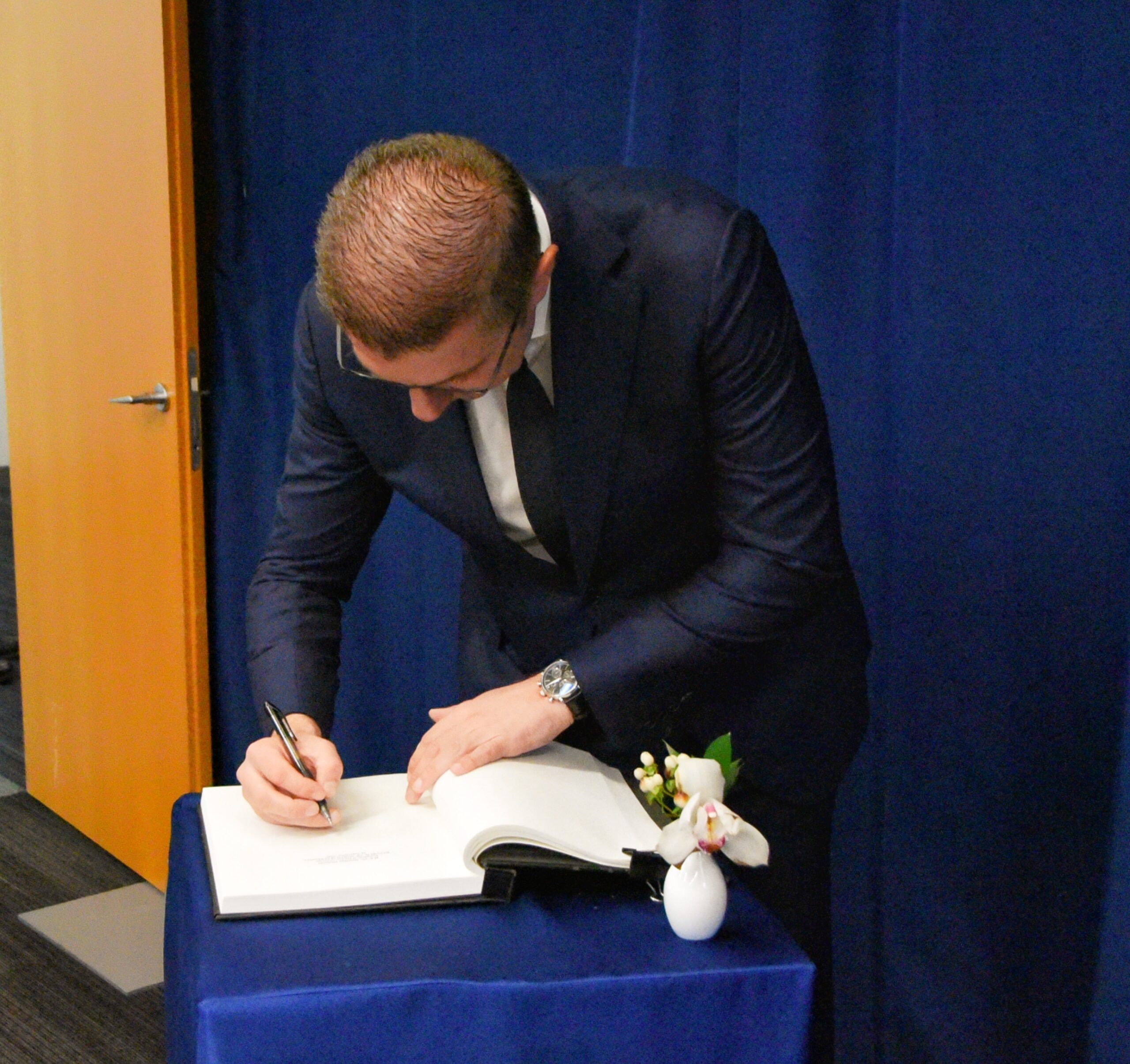
The podium address echoed messages Mickoski delivered days prior at the Concordia Summit in New York. During a high-level panel, he noted that past generations engaged with the EU to modernize state institutions, but that the process has devolved into identity-based coercion. To permanently break the deadlock, Mickoski’s administration is calling for an objective, performance-based evaluation framework overseen by direct EU mediation, providing solid guarantees for minority rights without compromising national sovereignty.
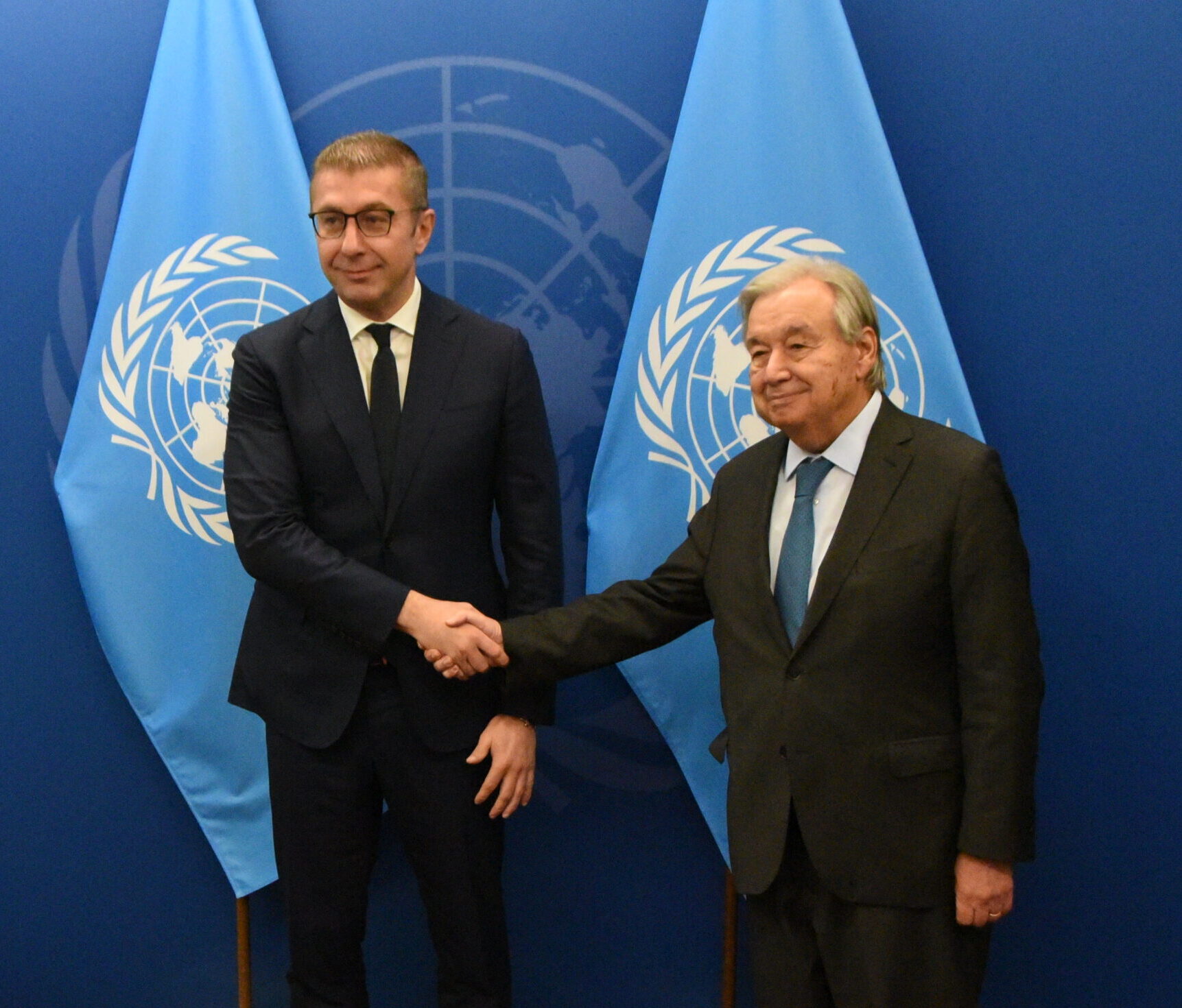
Parallel to the diplomatic defense of Macedonian statehood, the delegation secured major economic and security commitments during strategy sessions with members of the U.S. Congress, the Atlantic Council, and State Department officials. Official readouts confirmed a reinforced alliance with Washington across three critical axes: expanding regional energy cross-border infrastructure to ensure geopolitical independence, optimizing defense frameworks under NATO obligations, and partnering with the U.S. International Development Finance Corporation (DFC) to drive private capital into domestic critical mineral mining and primary infrastructure.
About The Author