UN General Assembly 81 Opening Day
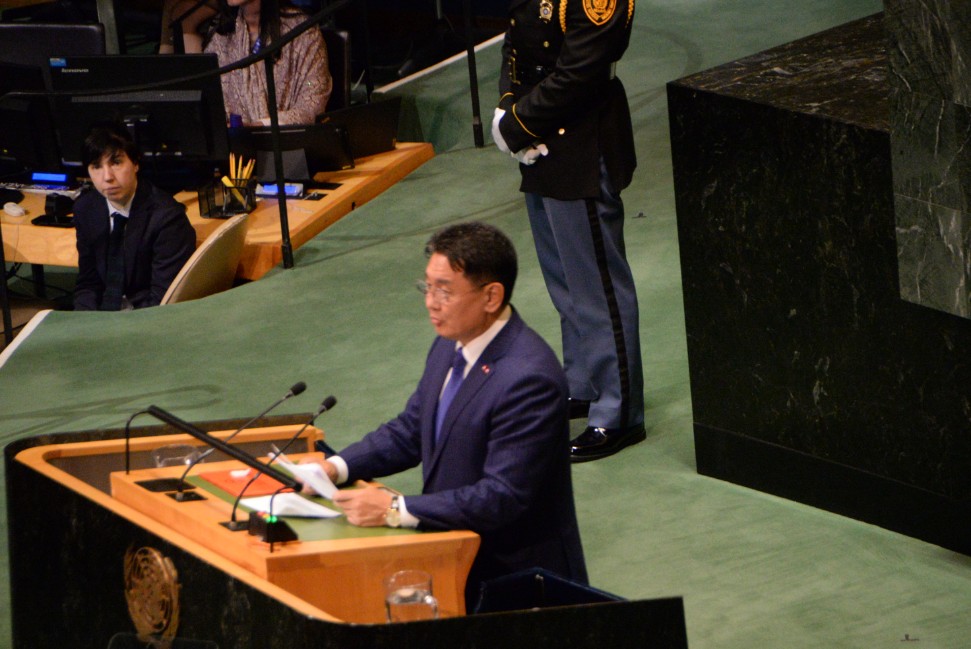
United Nations, NY (September 22, 2026) — The opening day of the General Debate highlighted a deepening rift between the traditional multilateral order and transactional, power-based diplomacy.
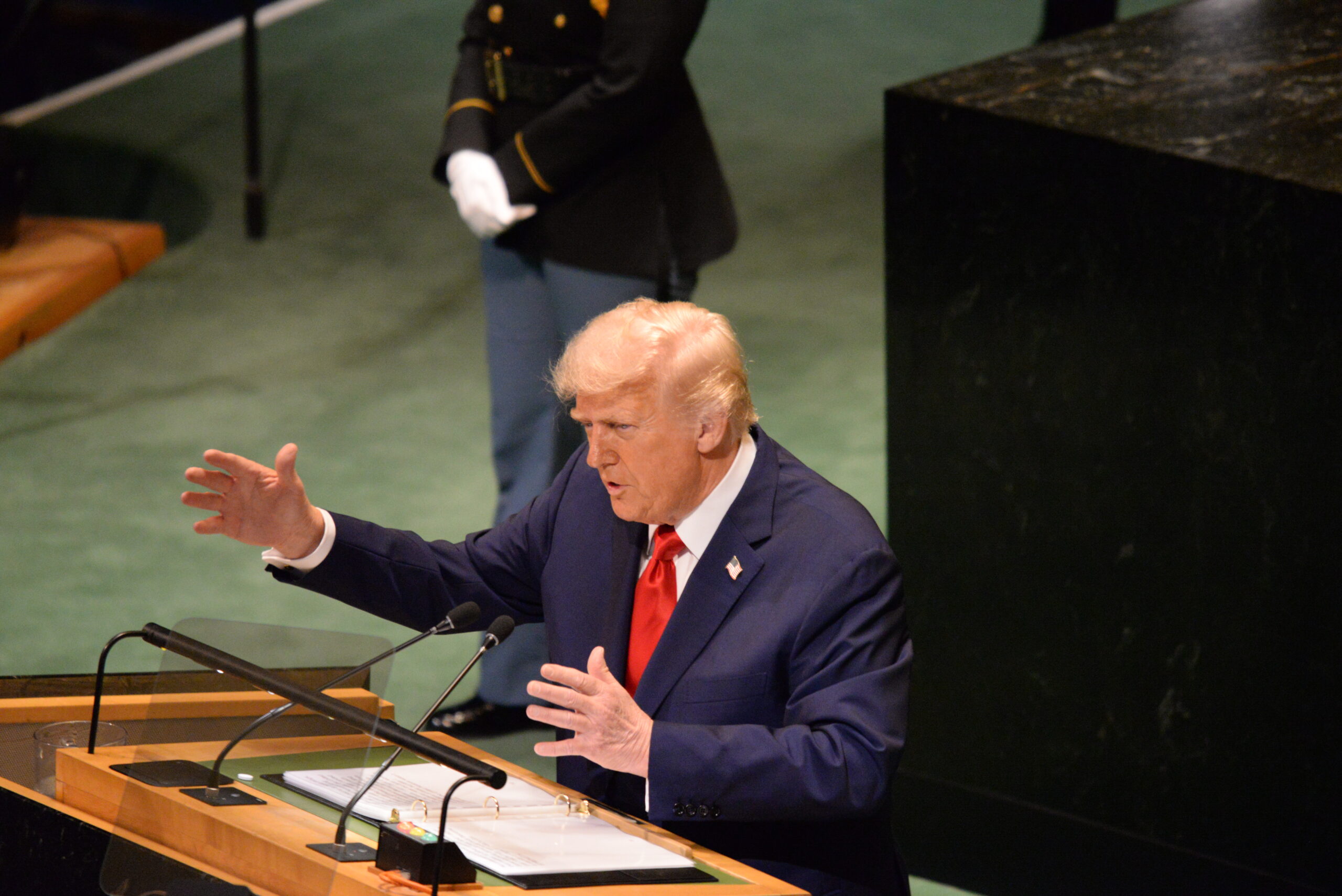
The proceedings were dominated by U.S. President Donald Trump’s address, which paired maximalist public rhetoric with quiet, transactional statecraft on the sidelines. The central focus of the session was the seven-month-old conflict involving the U.S., Israel, and Iran. President Trump delivered a stark public ultimatum to Tehran, demanding a comprehensive nuclear and regional agreement or face total military destruction. Concurrently, the administration utilized a dual-track diplomatic strategy, sending top envoys into a three-hour indirect dialogue with Iranian officials on the margins of the summit.
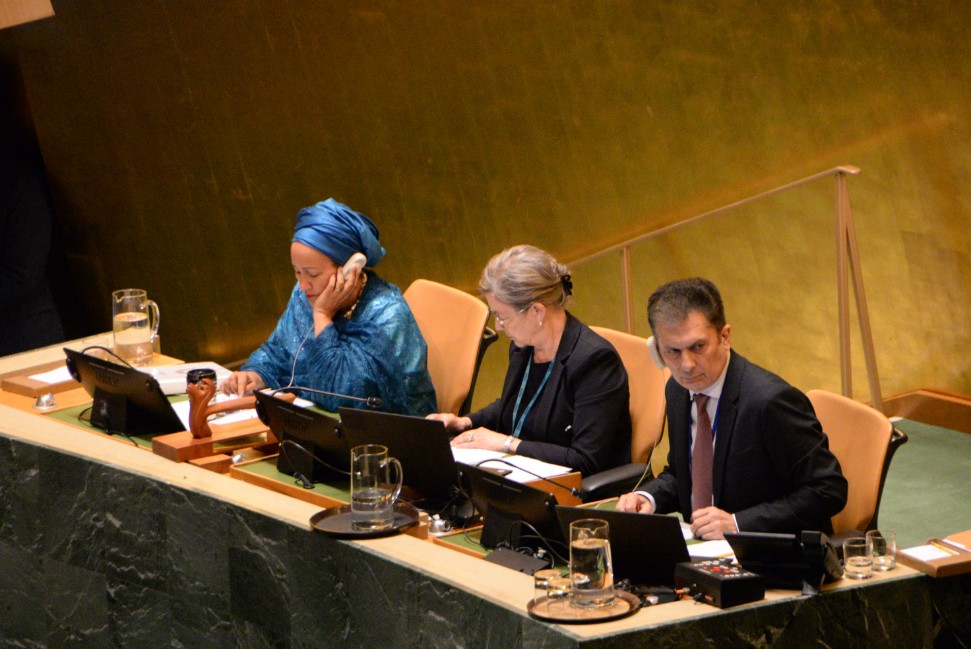
This shift toward back-channel negotiations suggests that despite aggressive public positioning, the administration is actively seeking a framework for regional de-escalation and economic restructuring.
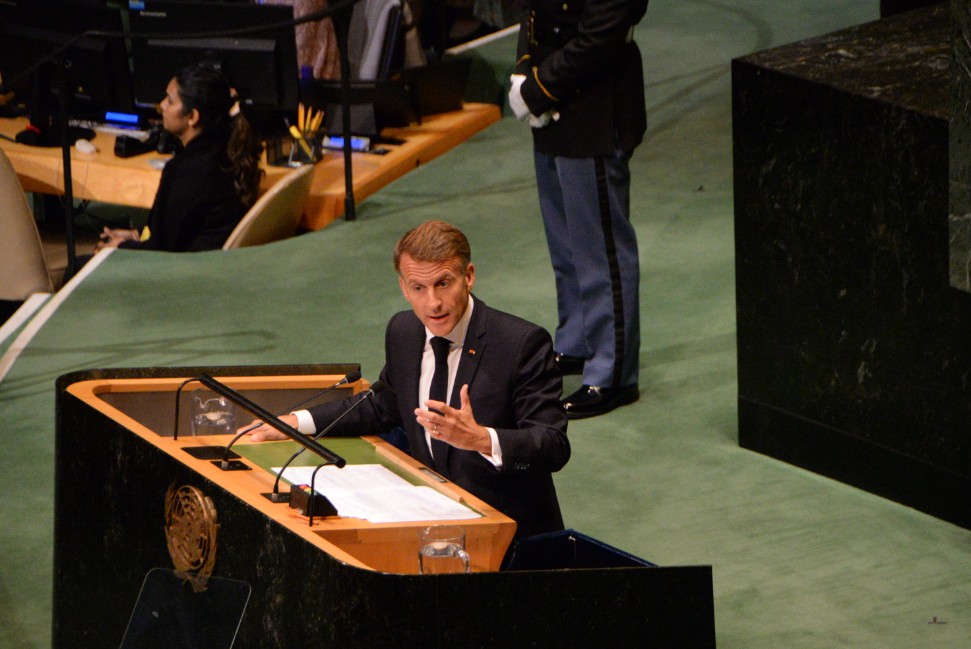
The session underscored a sharp divergence in how global governance is viewed by major powers, creating a visible transatlantic split. President Trump explicitly rejected the authority of international bodies like the International Court of Justice and resisted globalist frameworks to regulate artificial intelligence. In contrast, French President Emmanuel Macron delivered a forceful address strongly defending international law, explicitly pushing back on Trump’s unilateral rhetoric, and demanding strict global moratoriums on energy infrastructure strikes.
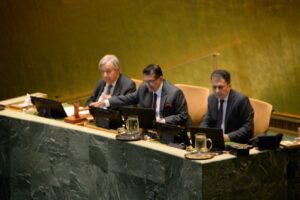
UN Secretary-General António Guterres opened the assembly with an equally sober assessment, warning that international trust has fractured into deep canyons and noting that international law is increasingly disregarded by global superpowers.
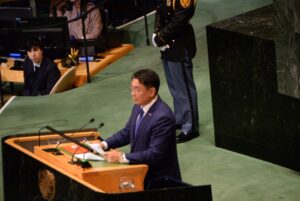
During the afternoon session, the focus shifted toward regional security and the enduring lessons of past conflicts. Bosnia and Herzegovina’s Presidency Chairman Denis Bećirović delivered a poignant speech declaring his nation unconquerable while drawing direct parallels between past Balkan conflicts and current global crises. His address emphasized the catastrophic costs of international inaction and served as a stark warning to the assembly about the dangers of allowing contemporary geopolitical border disputes to escalate unchecked.
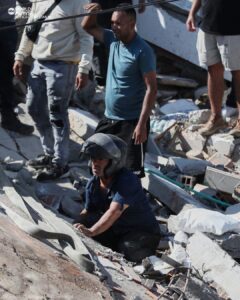
Finally, the debate reflected growing polarization regarding ongoing humanitarian and security crises in the Middle East. The assembly saw coordinated, sharp rhetoric from regional leaders, as Turkish President Recep Tayyip Erdogan and Qatar’s Sheikh Tamim bin Hamad Al Thani forcefully condemned Israeli military operations in Gaza.
This collective stance signaled deep regional pushback against U.S.-backed policies, while the margins of the summit served as a critical venue for strategic, closed-door realignments with representatives from Venezuela’s newly transitioned government.
About The Author