CYBER BULLETINS AND EXTRA SECURITY SWEEPS CAUSE MILD AIRSPACE FRICTION
LONDON — European intelligence agencies and aviation authorities are locked in a high-stakes standoff against an automated, digital “swarming” campaign that has triggered a wave of hoax bomb threats across sixteen nations. Despite targeted alerts disrupting specific routes, international counter-terrorism agencies confirm that every threat investigated remains entirely non-credible. Commercial airspace continues to operate under maximum vigilance, with zero systemic flight cancellations reported.
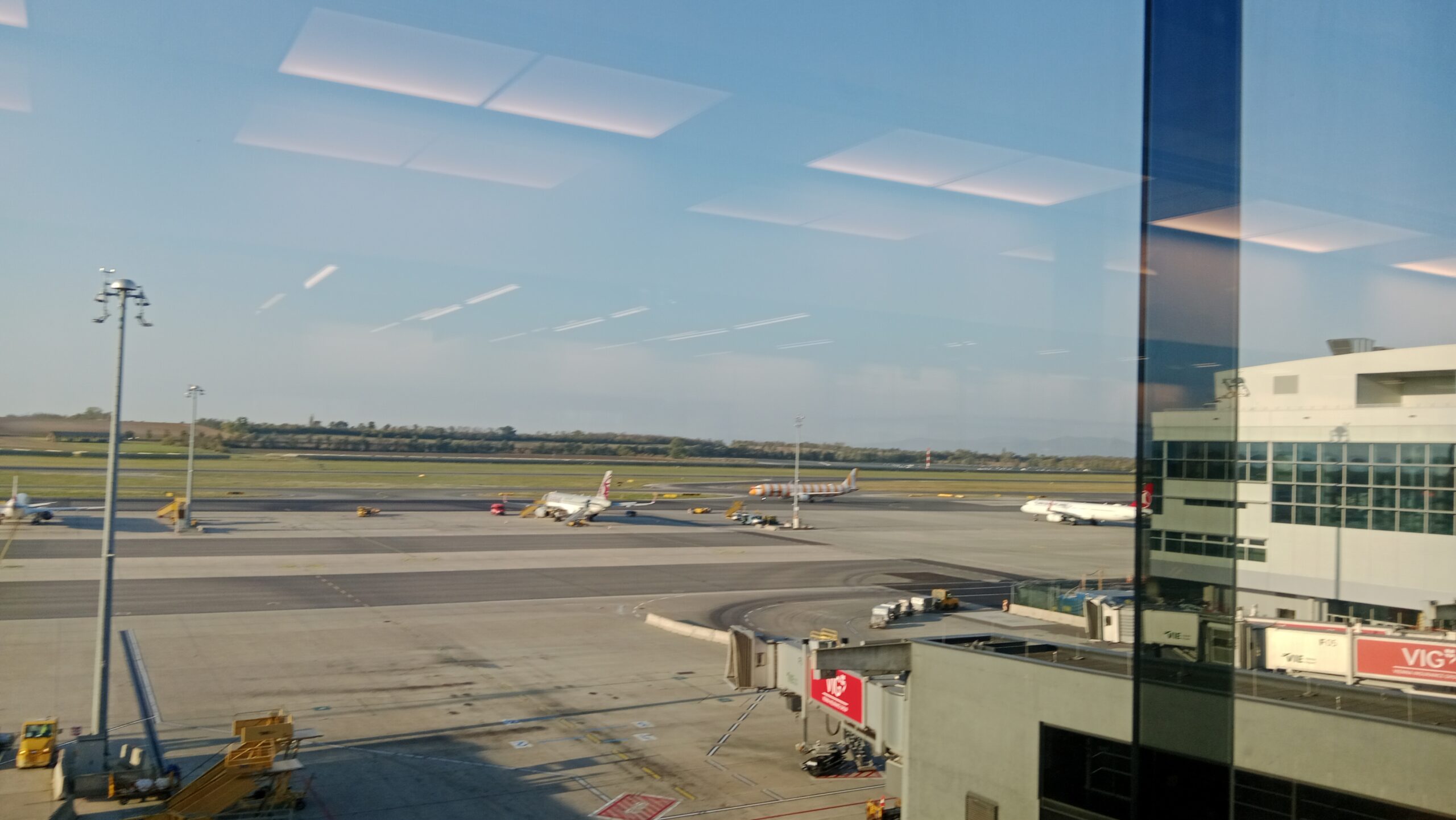
A massive security net has been cast over Dublin as the Irish Gardaí deploy the largest protection initiative in national history. Armed police, specialized drone defense units, and tactical bomb dogs have occupied the capital to secure upcoming international European summits. This heightened presence comes as a direct response to a fresh cluster of malicious digital messages delivered to a school and a commercial carrier this morning. The targeted aircraft was fully inspected on the tarmac, cleared of danger by military personnel, and authorized to continue its scheduled route without grounding.
Security chiefs emphasize that the automated digital blasts are calculated acts of psychological and economic warfare rather than physical threats. By exploiting automated email routing networks, foreign-based cyber actors are deliberately targeting commercial infrastructure to test emergency reaction speeds, manipulate public anxiety, and strain local police budgets. The European Commission has convened an emergency security council to unify defensive countermeasures across member states, noting that while the economic toll of individual plane sweeps is costly, the underlying transport grid remains entirely unbroken.
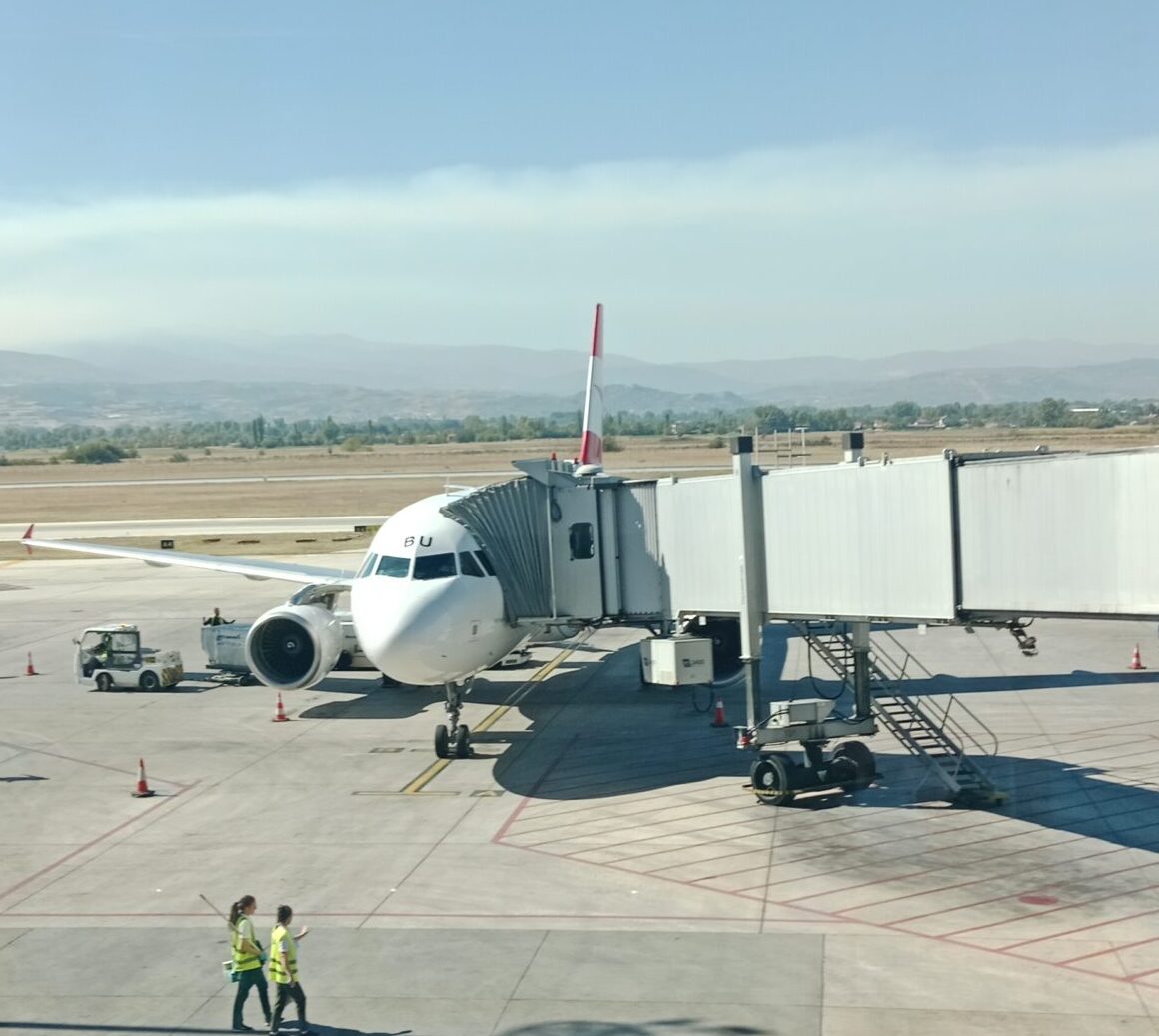
Aviation terminals across the continent, including global hubs like London Heathrow, are executing priority security screenings to insulate the traveling public from digital interference. Passengers traversing standard transit routes can expect increased visibility of armed patrols and minor delays during peak screening windows. However, because automated threats cannot bypass the heavy physical, molecular, and biometric barriers established at boarding gates, security forces maintain that traveling remains fundamentally secure. Air schedules remain open, planes are flying, and infrastructure networks continue to process normal passenger volumes
About The Author